Disarmonia Mundi

Metal
Death Metal
Progressive Metal
 Viberate Rank: 111839
 Viberate Rank: 111839
 Monthly ListenersFollowers
 Subscribers
 Followers
 Followers
 FansTop Spotify Songs
| Track | 7-Day Streams | |
|---|---|---|
1 | 10.45K | |
2 | 8.15K | |
3 | 6.08K | |
4 | 4.17K | |
5 | 3.76K |
Top YouTube VideosMonthly ListenersFeatured in Playlists| Playlist | Followers | |
|---|---|---|
1 | STREAMING MOTHERFUCKERS asmongold | 41.48K |
2 |  #Sweetspot Jimmy Landqvist | 32.36K |
3 | Metal Covers of non-metal songs Jorge García | 30.13K |
4 | Melissa Viernes | 17.44K |
5 | Melodic Death Metal patatkoekje | 17.31K |
Audience| City | Monthly Listeners | |
|---|---|---|
1 |  | 1.60K |
2 |  | 1.31K |
3 | | 892 |
4 |  | 783 |
5 |  | 693 |
See full performance history, audience data, playlist activity, rankings, comparisons, and more in Viberate music analytics. Start with a free trial, then continue with a paid plan.
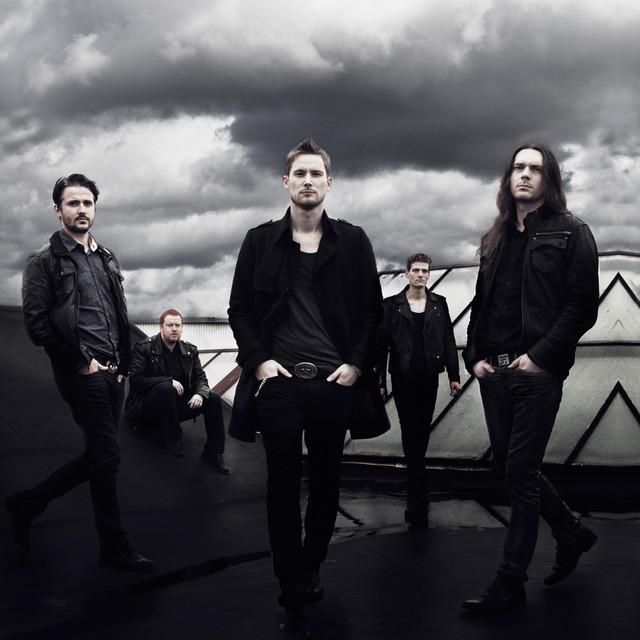
Disarmonia Mundi’s Spotify BioDisarmonia Mundi, disharmony of the world, a name that throughout the years has become a synonym of melodic death metal, counting more than 30 million streams on Spotify alone, forging a legacy able to thrive despite long years of silence or the lack of live activity whatsoever.
Founded by visionary musician Ettore Rigotti in 1999 and known for their intricate compositions, powerful vocals, and dynamic performances, the band has established a dedicated following worldwide.
Since their inception, Disarmonia Mundi has unleashed five critically acclaimed albums, including Nebularium (2001), Fragments of D-Generation (2004), Mind Tricks (2006), The Isolation Game (2009), and Cold Inferno (2015). Not only do these albums demonstrate the band's vibrant sound, but also feature notable contributions from musicians such as Björn 'Speed' Strid (Soilwork) and Christian Älvestam (Solution .45, ex-Scar Symmetry). Disarmonia Mundi's music seamlessly blends heavy metal aggression with melodic elements,… creating an intense and captivating sound.
TIMELINE
Nebularium - 2001
Fragments of D-Generation - 2004
Mind Tricks - 2006
Nebularium + The Restless Memoirs EP - 2009
The Isolation Game - 2009
Cold Inferno - 2015
Viberate is a music analytics platform built for A&Rs, artist managers, labels, booking agents, marketers, and artists.
It helps music professionals track artist growth, analyze audience data, monitor playlist activity, compare artists, follow song performance, and identify opportunities across the music market.
Public artist pages provide a free preview of selected artist data. Paid plans provide access to deeper analytics, historical data, charts, comparisons, playlist tools, exports, alerts, reports, and additional professional features.
Yes. Public Viberate artist pages provide selected artist analytics and music data for free.
Viberate also offers a 7-day free trial of the full platform. A credit card is required to start the trial. The trial includes access to the complete product so users can test deeper artist analytics, historical views, playlist insights, comparisons, charts, exports, alerts, and reporting features before choosing a paid plan.
Viberate provides artist analytics across streaming, playlists, social media, video, radio airplay, songs, and audience markets.
Users can analyze Spotify performance, Spotify and Apple Music playlists, YouTube activity, TikTok and Instagram growth, radio spins, song performance, audience locations, demographics, rankings, and overall artist momentum.
Artist profiles also connect to music charts, similar artists, and comparison tools, helping users benchmark performance and evaluate artists in context.
Viberate updates key artist and track data daily.
For followed artists and tracks, selected data is refreshed multiple times per day. This helps teams monitor playlist changes, streaming movement, audience growth, releases, and campaign performance with more current data.
Update frequency can vary depending on the metric and data source.
Yes. Viberate lets users compare up to five artists side by side across streaming, social media, audience, and engagement metrics.
Users can compare fanbase growth, audience demographics, locations, Spotify performance, social metrics, and other artist data over selected time periods.
Artist comparison can be used for A&R scouting, benchmarking, booking decisions, campaign planning, and evaluating artists with similar audiences or market positions.