Lynyrd Skynyrd

Rock
Hard Rock
Blues Rock
Country Rock
 Viberate Rank: 995
 Viberate Rank: 995
 Monthly ListenersFollowers
 Subscribers
 Followers
 Followers
 FansTop Spotify Songs
| Track | 7-Day Streams | |
|---|---|---|
1 | 3.52M | |
2 | 3.51M | |
3 | 3.44M | |
4 | 1.22M | |
5 | 695.90K |
Top YouTube Videos| Video | 7-Day Views | |
|---|---|---|
1 | 1.03M | |
2 | 577.47K | |
3 | 549.88K | |
4 | 354.47K | |
5 | 270.04K |
Monthly ListenersFeatured in Playlists| Playlist | Followers | |
|---|---|---|
1 |  Rock Classics Spotify | 13.65M |
2 |  All Out 70s Spotify | 5.89M |
3 |  70s Rock Anthems Spotify | 3.15M |
4 |  Rock Party Spotify | 2.78M |
5 |  Legendary Guitar Solos Spotify | 1.60M |
Audience| City | Monthly Listeners | |
|---|---|---|
1 |  | 324.55K |
2 |  | 255.56K |
3 | | 235.98K |
4 | | 233.31K |
5 | | 223.47K |
See full performance history, audience data, playlist activity, rankings, comparisons, and more in Viberate music analytics. Start with a free trial, then continue with a paid plan.
Lynyrd Skynyrd’s Spotify BioLynyrd Skynyrd is the definitive hard-living, hard-driving Southern rock & roll band. Fusing the overdriven power of blues-rock, the kind of detailed storytelling skills often found in honky tonk country, the cocksure swagger of stadium rock, and a knack for pop hooks, they are equally adept at on-stage jamming and radio-ready singles like the quintessential AOR ballad "Free Bird." During the height of the band's popularity in the mid-'70s, they released a string of timeless classic rock standards including "Sweet Home Alabama," "Simple Man," "What's Your Name," "That Smell," and "Gimme Three Steps." After members of the band were killed in an airplane crash in 1977. Skynyrd re-formed in 1987 and spent the next few decades playing a steady string of live shows, even though the remaining original members of the band were no longer involved. No matter who was on-stage singing and playing, the group continued to crank out the classics to a dedicated following.
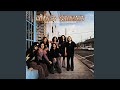
While in high school in… Jacksonville, Florida, Ronnie Van Zant (vocals), Allen Collins (guitar), and Gary Rossington (guitar) formed My Backyard. Within a few months, the group added bassist Leon Wilkeson and keyboardist Billy Powell, and changed their name to Lynyrd Skynyrd, a mocking tribute to their gym teacher Leonard Skinner, who was notorious for punishing students with long hair. With drummer Bob Burns, Lynyrd Skynyrd began playing throughout the South. For the first few years, the group had little success, but producer Al Kooper signed them to MCA after seeing them play at an Atlanta club called Funocchio's in 1972. Kooper produced the group's 1973 debut, Pronounced Leh-Nerd Skin-Nerd, which was recorded after former Strawberry Alarm Clock guitarist Ed King joined the band. The group became famous for their triple-guitar attack, which was showcased on "Free Bird," a tribute to the then-recently deceased Duane Allman. "Free Bird" earned Lynyrd Skynyrd their first national exposure and it became one of the staples of album rock radio, still receiving airplay decades after its release.
"Free Bird" and an opening slot on the Who's 1973 Quadrophenia tour earned Lynyrd Skynyrd a devoted following, which helped their second album, 1974's Second Helping, become its breakthrough hit. Featuring the hit single "Sweet Home Alabama" -- a response to Neil Young's "Southern Man" -- Second Helping reached number 12 and went multi-platinum. At the end of the year, Artimus Pyle replaced drummer Burns, and King left the band shortly afterward. The new sextet released Nuthin' Fancy in 1975, and it became the band's first Top Ten hit. The record was followed by the Tom Dowd-produced Gimme Back My Bullets in 1976, which failed to match the success of its two predecessors. However, the band retained their following through constant touring, which was documented on the double-live album One More from the Road. Released in late 1976, it featured the band's new guitarist, Steve Gaines, and a trio of female backup singers -- it became Skynyrd's second Top Ten album.
Lynyrd Skynyrd released their sixth album, Street Survivors, in October 1977. Three days later, a privately chartered plane carrying the band between shows in Greenville, South Carolina and Baton Rouge, Louisiana, crashed outside of Gillsburg, Mississippi. Ronnie Van Zant, Steve Gaines, and his sister Cassie, one of the group's backing vocalists, died in the crash; the remaining members were injured. (The cause of the crash was either fuel shortage or a fault with the plane's mechanics.) The cover for Street Survivors had pictured the band surrounded in flames, but after the crash the cover was changed. In the wake of the tragedy, Street Survivors became one of the band's biggest hits. Lynyrd Skynyrd broke up after the crash, releasing a collection of early demos called Skynyrd's First and...Last in 1978; it had been scheduled for release before the crash. The double-album compilation Gold & Platinum was released in 1980.
Later in 1980, Rossington and Collins formed a new band -- naturally named the Rossington Collins Band -- that featured the four surviving members. Two years later, Pyle formed the Artimus Pyle Band. Collins suffered a car crash in 1986 that killed his girlfriend and left him paralyzed; four years later, he died of respiratory failure. In 1987, Rossington, Powell, King, and Wilkeson reunited Lynyrd Skynyrd, adding vocalist Johnny Van Zant and guitarist Randall Hall. The band embarked on a reunion tour, which was captured on the 1988 double-live album Southern by the Grace of God: Lynyrd Skynyrd Tribute Tour 1987. The re-formed Skynyrd began recording in 1991, and for the remainder of the decade, they toured frequently, occasionally putting out albums. The reunited group frequently switched drummers but it had little effect on their sound.
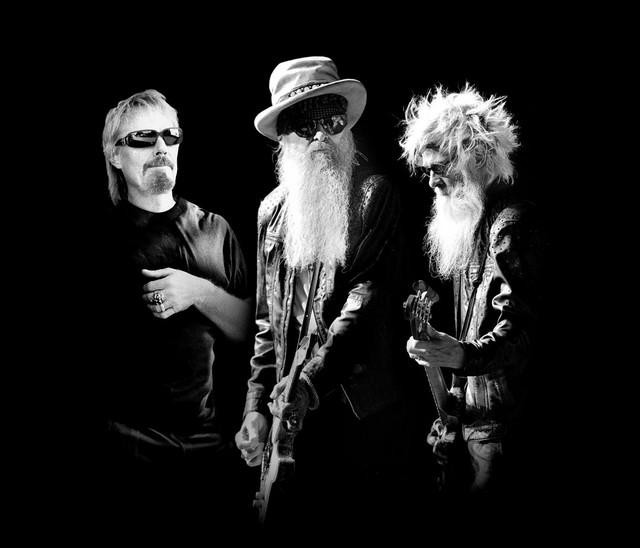
During the '90s, Lynyrd Skynyrd were made honorary colonels in the Alabama State Militia due to their classic rock staple "Sweet Home Alabama." During the mid-'90s, Van Zant, Rossington, Wilkeson, and Powell regrouped by adding two Southern rock veterans to Skynyrd's guitar stable: former Blackfoot frontman Rickey Medlocke and ex-Outlaws Hughie Thomasson. With ex-Damn Yankee Michael Cartellone bringing stability to the drum chair, the reconstituted band signed to CMC International for 1997's Twenty. This lineup went on to release Lyve from Steel Town in 1998, followed a year later by Edge of Forever. The seasonal effort Christmas Time Again was released in fall 2000. Although Wilkeson died one year later, Lynyrd Skynyrd regrouped and recorded Vicious Cycle in 2003. The concert film and LP Lyve: The Vicious Cycle Tour followed a year later. 2006 saw the release of Face to Face and in 2007, Paper Sleeve Box appeared. Death continued to haunt them, though, and the lineup continued to change, as much from attrition as anything else. Wilkeson, Skynyrd's bassist since 1972, died in 2001 and was replaced by Ean Evans that same year (Evans died in 2009). Thomasson left the band to re-form his group the Outlaws in 2005; he died two years later in 2007. His spot in Skynyrd was taken by Mark "Sparky" Matejka, formerly of Hot Apple Pie, in 2006. Original keyboardist Powell died at the age of 56 at his home near Jacksonville, Florida in 2009. That year also saw the release of a new studio album, God + Guns, on Roadrunner Records. Live from Freedom Hall was released on the same label in 2010. A new studio album, Last of a Dyin' Breed, produced by Bob Marlette, recorded at Blackbird Studio in Nashville, and featuring a new bass player, Johnny Colt (formerly a bassist for the Black Crowes), appeared in 2012. In April 2015, original Skynyrd drummer Bob Burns died in a single-car accident in Bartow County, Georgia. After battling lung cancer, guitarist Ed King died in Nashville, Tennessee in August 2018. That same year saw the group announce their farewell tour. Last of the Street Survivors Tour Lyve!, a concert album and film documenting the tour, was released in 2020. Despite this, Lynyrd Skynyrd opted to continue and in 2023 they announced they would be hitting the road with ZZ Top for "The Sharp Dressed Simple Man Tour." On March 5, 2023, Gary Rossington, the last surviving original member of the band, died at the age of 71. ~ Stephen Thomas Erlewine & Steve Leggett, Rovi
Viberate is a music analytics platform built for A&Rs, artist managers, labels, booking agents, marketers, and artists.
It helps music professionals track artist growth, analyze audience data, monitor playlist activity, compare artists, follow song performance, and identify opportunities across the music market.
Public artist pages provide a free preview of selected artist data. Paid plans provide access to deeper analytics, historical data, charts, comparisons, playlist tools, exports, alerts, reports, and additional professional features.
Yes. Public Viberate artist pages provide selected artist analytics and music data for free.
Viberate also offers a 7-day free trial of the full platform. A credit card is required to start the trial. The trial includes access to the complete product so users can test deeper artist analytics, historical views, playlist insights, comparisons, charts, exports, alerts, and reporting features before choosing a paid plan.
Viberate provides artist analytics across streaming, playlists, social media, video, radio airplay, songs, and audience markets.
Users can analyze Spotify performance, Spotify and Apple Music playlists, YouTube activity, TikTok and Instagram growth, radio spins, song performance, audience locations, demographics, rankings, and overall artist momentum.
Artist profiles also connect to music charts, similar artists, and comparison tools, helping users benchmark performance and evaluate artists in context.
Viberate updates key artist and track data daily.
For followed artists and tracks, selected data is refreshed multiple times per day. This helps teams monitor playlist changes, streaming movement, audience growth, releases, and campaign performance with more current data.
Update frequency can vary depending on the metric and data source.
Yes. Viberate lets users compare up to five artists side by side across streaming, social media, audience, and engagement metrics.
Users can compare fanbase growth, audience demographics, locations, Spotify performance, social metrics, and other artist data over selected time periods.
Artist comparison can be used for A&R scouting, benchmarking, booking decisions, campaign planning, and evaluating artists with similar audiences or market positions.