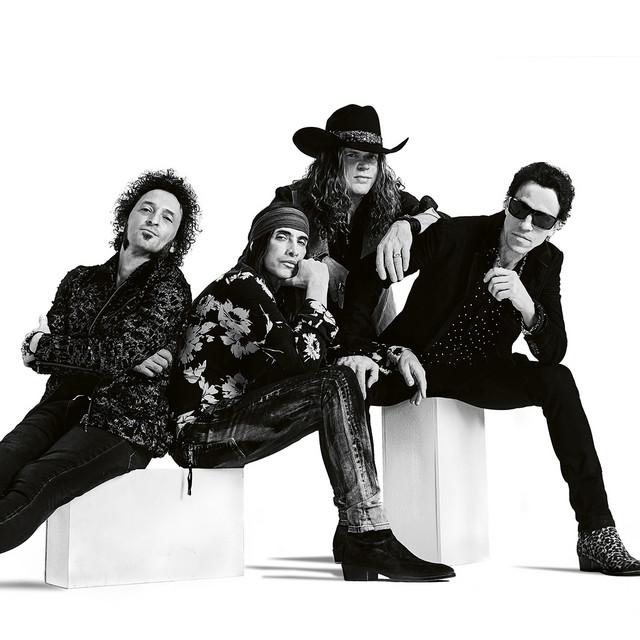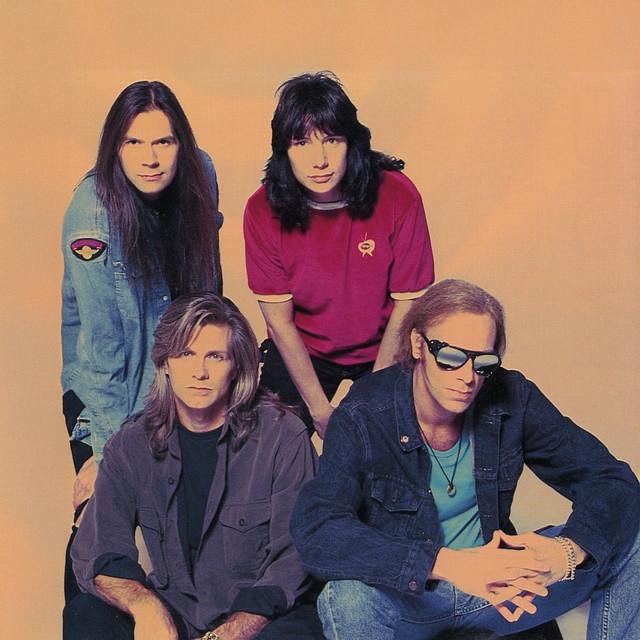
Mr. Big

Rock
Pop Rock
Glam Metal
 Viberate Rank: 6998
 Viberate Rank: 6998
 Monthly ListenersFollowers
 Subscribers
 Followers
 Followers
 FansTop Spotify Songs
| Track | 7-Day Streams | |
|---|---|---|
1 | 1.34M | |
2 | 467.27K | |
3 | 78.33K | |
4 | 25.01K | |
5 | 22.05K |
Top YouTube Videos| Video | 7-Day Views | |
|---|---|---|
1 | 200.59K | |
2 | 113.60K | |
3 | 27.73K | |
4 | 14.05K | |
5 | 12.59K |
Monthly ListenersFeatured in Playlists| Playlist | Followers | |
|---|---|---|
1 |  90s Pop Rock Spotify | 1.53M |
2 |  Rock Power Ballads Spotify | 1.25M |
3 |  Classic Rock Radio 70s, 80s & 90s - Mejores Clásicos del Rock en Inglés Rock Louder | 1.05M |
4 |  In the Arms of a Woman Spotify | 830.58K |
5 |  Easy Rock Spotify | 694.89K |
Audience| City | Monthly Listeners | |
|---|---|---|
1 |  | 64.54K |
2 |  | 61.30K |
3 | | 55.75K |
4 | | 55.32K |
5 |  | 40.51K |
See full performance history, audience data, playlist activity, rankings, comparisons, and more in Viberate music analytics. Start with a free trial, then continue with a paid plan.
Mr. Big’s Spotify BioMr. Big were one of the few "shredder" pop metal bands (translation: the bandmembers were highly proficient at their instruments) that prized songcraft as highly as virtuosity. The seeds for the group's formation were sown when bass player extraordinaire Billy Sheehan, often called "the Eddie Van Halen of bass," left David Lee Roth's solo band in 1988. Shortly thereafter, he began piecing together a new outfit comprised of former Racer X guitarist Paul Gilbert, drummer Pat Torpey, and singer Eric Martin, the latter of whom had issued a pair of obscure solo releases in the mid-'80s. By 1989, the newly formed quartet had already inked a recording contract with Atlantic, resulting in the release of a self-titled debut the same year. Despite finding a warm reception among musicians, the album failed to cross over to a mainstream rock audience in America; however, Mr. Big was an immediate success overseas in Japan.
The quartet broadened its horizons on its sophomore effort, 1991's Lean into… It, which included the melodic psychedelic rocker "Green Tinted Sixties Mind" as well as a pair of ballads that would become sizable singles: the number one smash "To Be with You" and the Top 20 hit "Just Take My Heart." Despite issuing further releases like 1993's Bump Ahead and 1996's Hey Man, Mr. Big were unable to sustain such commercial success at home, although the group's popularity continued to soar in Japan (resulting in countless sold-out tours and such Japan-only live albums as Raw Like Sushi, Raw Like Sushi 2, Japandemonium, Mr. Big in Japan, etc.). Gilbert split from the group in the late '90s to pursue a solo career and was replaced by former Poison guitarist Richie Kotzen. The new lineup issued a pair of studio recordings, Get Over It and Actual Size, before launching a "farewell tour" in Japan, which culminated in their amicable breakup in 2002.
In early 2009, with the 20th anniversary of Mr. Big's debut on the horizon, the original lineup appeared on Japanese radio to announce that the group would be reuniting. A reunion tour was launched later that year, resulting in the release of 2009's double-disc concert album Back to Budokan, and the band headed home in September 2010 to record a new studio album in Los Angeles. The resulting What If was released three months later in Japan, followed by an American release in early 2011. The Pat Regan-produced ...The Stories We Could Tell was released in 2014, and in 2017 Mr. Big issued Defying Gravity, their third release since reuniting in 2010 and ninth studio long-player overall. ~ Greg Prato, Rovi
Viberate is a music analytics platform built for A&Rs, artist managers, labels, booking agents, marketers, and artists.
It helps music professionals track artist growth, analyze audience data, monitor playlist activity, compare artists, follow song performance, and identify opportunities across the music market.
Public artist pages provide a free preview of selected artist data. Paid plans provide access to deeper analytics, historical data, charts, comparisons, playlist tools, exports, alerts, reports, and additional professional features.
Yes. Public Viberate artist pages provide selected artist analytics and music data for free.
Viberate also offers a 7-day free trial of the full platform. A credit card is required to start the trial. The trial includes access to the complete product so users can test deeper artist analytics, historical views, playlist insights, comparisons, charts, exports, alerts, and reporting features before choosing a paid plan.
Viberate provides artist analytics across streaming, playlists, social media, video, radio airplay, songs, and audience markets.
Users can analyze Spotify performance, Spotify and Apple Music playlists, YouTube activity, TikTok and Instagram growth, radio spins, song performance, audience locations, demographics, rankings, and overall artist momentum.
Artist profiles also connect to music charts, similar artists, and comparison tools, helping users benchmark performance and evaluate artists in context.
Viberate updates key artist and track data daily.
For followed artists and tracks, selected data is refreshed multiple times per day. This helps teams monitor playlist changes, streaming movement, audience growth, releases, and campaign performance with more current data.
Update frequency can vary depending on the metric and data source.
Yes. Viberate lets users compare up to five artists side by side across streaming, social media, audience, and engagement metrics.
Users can compare fanbase growth, audience demographics, locations, Spotify performance, social metrics, and other artist data over selected time periods.
Artist comparison can be used for A&R scouting, benchmarking, booking decisions, campaign planning, and evaluating artists with similar audiences or market positions.