Witchcraft

Rock
Psychedelic Rock
Doom/Sludge Metal
Hard Rock
 Viberate Rank: 61672
 Viberate Rank: 61672
 Monthly ListenersFollowers
 Subscribers
 Followers
 Followers
 FansTop Spotify Songs
| Track | 7-Day Streams | |
|---|---|---|
1 | 26.16K | |
2 | 24.37K | |
3 | 9.79K | |
4 | 8.39K | |
5 | 8.23K |
Top YouTube VideosMonthly ListenersFeatured in Playlists| Playlist | Followers | |
|---|---|---|
1 | Stoner Metal corrynfleming | 37.07K |
2 |  Stoner Rock & Psychedelic Space Rock StonerRock.Space | 36.07K |
3 |  FENRIZ METAL Gylve | 32.35K |
4 |  Stoner Rock A-Z boogievan | 24.16K |
5 | thrash metal Daniel Baldwin | 21.08K |
Audience| City | Monthly Listeners | |
|---|---|---|
1 | | 1.85K |
2 |  | 1.60K |
3 |  | 1.46K |
4 | | 1.43K |
5 |  | 1.29K |
See full performance history, audience data, playlist activity, rankings, comparisons, and more in Viberate music analytics. Start with a free trial, then continue with a paid plan.
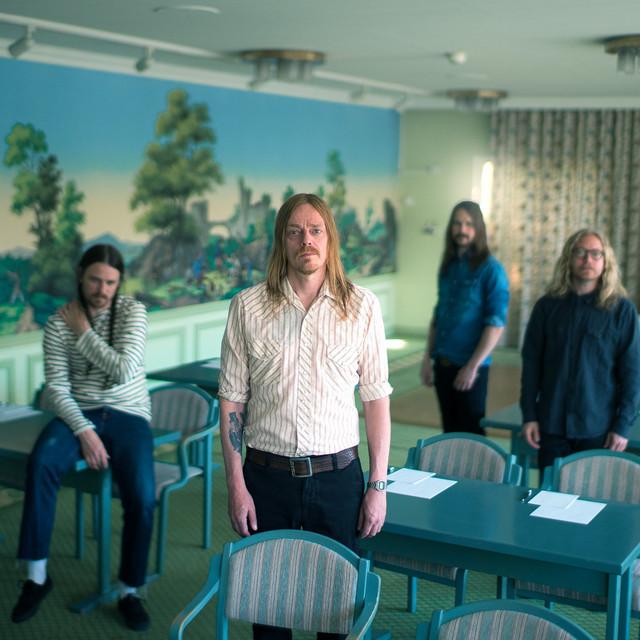
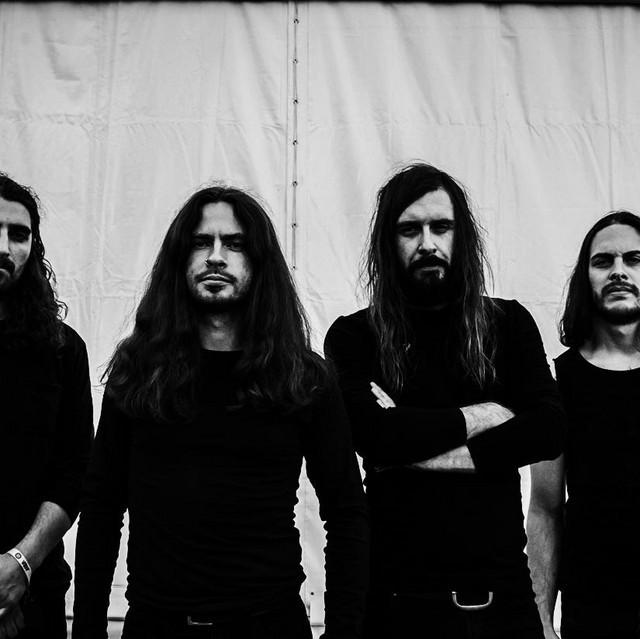
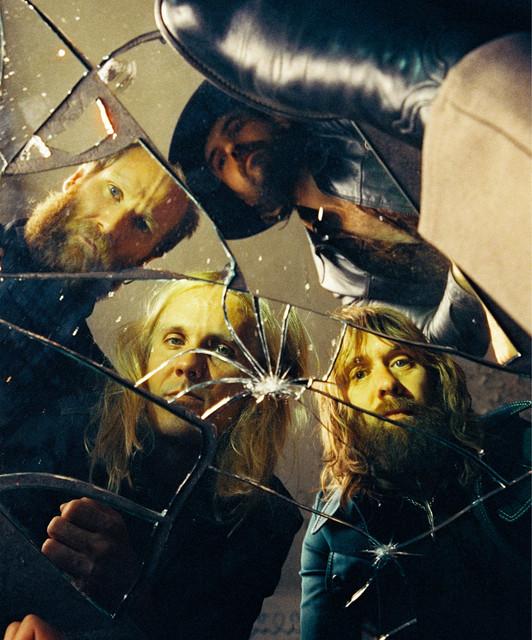
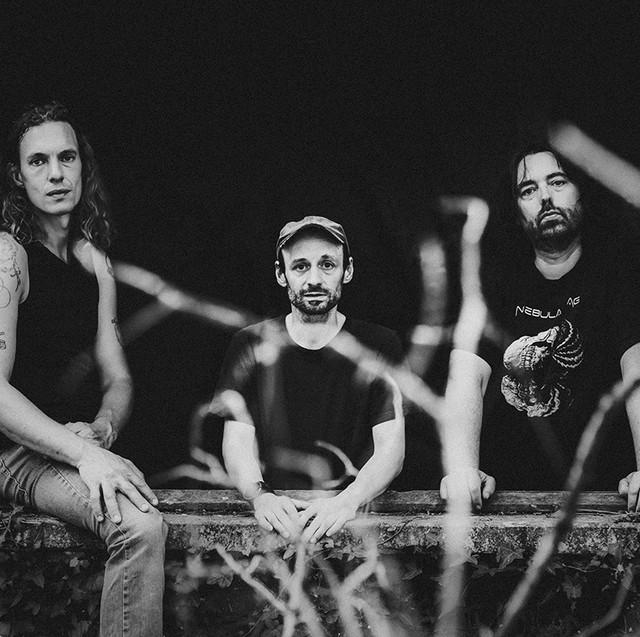
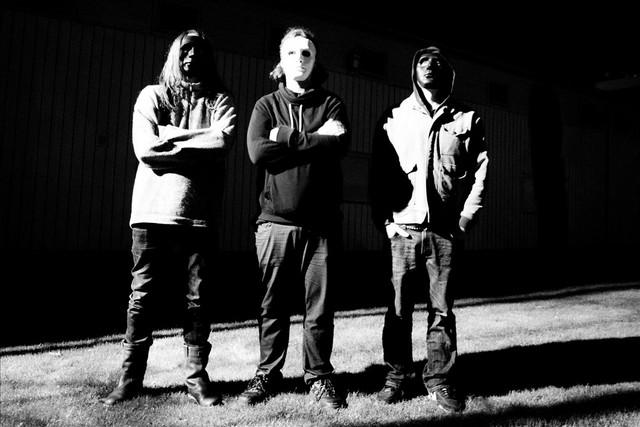
Witchcraft’s Spotify BioSwedish doom metallers Witchcraft emerged at the dawn of the 21st century with a vintage blend of lurid psych-folk and bruising hard rock that evoked the early, occult-themed emissions of groups like Pentagram and Black Sabbath. Debuting eponymously in 2004, the band's retro '70s sound adopted more modern recording techniques in the 2010s, with albums like Legend (2012), Nucleus (2016), and Black Metal (2020) introducing elements of stoner metal and depressive folk to the table.
Witchcraft was founded in 2000 by vocalist/guitarist and sole constant member Magnus Pelander, whose original intent was to record a single in tribute to Pentagram's Bobby Liebling and Roky Erickson. Calling on his friend John Hoyles (guitar) and brothers Ola (bass) and Jens Henriksson (drums) to lend a hand, Pelander did indeed record that single (titled "No Angel or Demon") and released it through small independent Primitive Arts Records in 2002. Encouraged by the results, he continued to compose material for… Witchcraft while his bandmates pursued other interests.
A year would pass before they reconvened as Witchcraft, and with new drummer Jonas Arnesen in tow, the quartet began preparing their eponymous debut album for release through Rise Above the following year. Recorded in a basement studio outfitted exclusively with vintage equipment, the album captured a hauntingly authentic '70s sound -- steeped not only in the heavy-handed work of Black Sabbath and Pentagram, but also in the psych and folk-rock elements of obscure acts like Leaf Hound, Captain Beyond, and Comus. Firewood followed in 2005, featuring a cover of Pentagram's "When the Screams Come," and in 2007 the band issued their third studio long-player, The Alchemist. Witchcraft made the move to Nuclear Blast for their fourth outing, Legend, which introduced more modern-sounding production, along with new members Simon Solomon (guitar), Tom Jondelius (guitar), and Oscar Johansson (drums). 2016's Nucleus, their second LP for Nuclear Blast, took a more muscular stoner metal approach to the genre, while 2020's curiously titled Black Metal saw Pelander and company dabbling in brooding, depressive folk. ~ Eduardo Rivadavia, Rovi
Viberate is a music analytics platform built for A&Rs, artist managers, labels, booking agents, marketers, and artists.
It helps music professionals track artist growth, analyze audience data, monitor playlist activity, compare artists, follow song performance, and identify opportunities across the music market.
Public artist pages provide a free preview of selected artist data. Paid plans provide access to deeper analytics, historical data, charts, comparisons, playlist tools, exports, alerts, reports, and additional professional features.
Yes. Public Viberate artist pages provide selected artist analytics and music data for free.
Viberate also offers a 7-day free trial of the full platform. A credit card is required to start the trial. The trial includes access to the complete product so users can test deeper artist analytics, historical views, playlist insights, comparisons, charts, exports, alerts, and reporting features before choosing a paid plan.
Viberate provides artist analytics across streaming, playlists, social media, video, radio airplay, songs, and audience markets.
Users can analyze Spotify performance, Spotify and Apple Music playlists, YouTube activity, TikTok and Instagram growth, radio spins, song performance, audience locations, demographics, rankings, and overall artist momentum.
Artist profiles also connect to music charts, similar artists, and comparison tools, helping users benchmark performance and evaluate artists in context.
Viberate updates key artist and track data daily.
For followed artists and tracks, selected data is refreshed multiple times per day. This helps teams monitor playlist changes, streaming movement, audience growth, releases, and campaign performance with more current data.
Update frequency can vary depending on the metric and data source.
Yes. Viberate lets users compare up to five artists side by side across streaming, social media, audience, and engagement metrics.
Users can compare fanbase growth, audience demographics, locations, Spotify performance, social metrics, and other artist data over selected time periods.
Artist comparison can be used for A&R scouting, benchmarking, booking decisions, campaign planning, and evaluating artists with similar audiences or market positions.